Two Women Who Left the Music Industry to Build Franchise Brands (and What They Learned Along the Way)
DivaDance® founder Jami Stigliano and Head to Toe Brands COO Kristin Kidd sat down for an honest conversation about career pivots, franchise ownership, and what confident women actually do for the world.
Women now own roughly 31% of U.S. franchise businesses, up from about 20% a decade ago, according to Zippia's franchise owner demographics research. That number is climbing for a reason. Franchise ownership gives women something most career paths don't: a proven business model, a built-in support system, and the freedom to build wealth on their own terms.
Jami Stigliano and Kristin Kidd are two of those women. They met at a franchise industry conference, bonded over a shared history in the music business, and quickly realized they had more in common than a love of Bad Bunny and DJ Khaled walk-on songs. They both left music careers to build something bigger. And in a live conversation for Women's History Month, they got real about what franchise ownership actually looks like when you're building it from scratch.
Here's what they had to say. (Watch the full conversation on YouTube.)
From record labels to franchise ownership: two origin stories
Jami's path started in a sorority house, watching *NSYNC on the Rosie O'Donnell show. She didn't know what the job was called yet, but she knew she wanted to be the person who got artists on TV, prepped the interviews, and built the buzz. She flipped over a Jive Records CD, saw the logo, and decided she wanted to work there.
This was 1998. There was no LinkedIn. No Google to speak of. She called around, looked through what she describes as "basically the yellow pages," and eventually volunteered at South by Southwest in Austin. At a panel, she spotted a woman whose badge said Jive Records. Walked up to her. Said she wanted to be her intern. The woman said it was unpaid and in New York City. Jami said yes to both.
That internship turned into nearly 10 years at Jive Records, where Jami became a product manager, the hub of the marketing wheel for artists across hip-hop and pop. She learned how to build brands. How to build community and fandom around something people love. That's the same thing she does now with DivaDance, just with a different product. She started the franchise brand in 2015 after leaving a dance class in New York City feeling deflated rather than inspired.
"I walked out and on the corner of 57th and Broadway said, 'I'm just going to teach my own classes,'" Jami said. (She's told this story before, and it never gets old.) That impulse turned into 55 locations across North America.
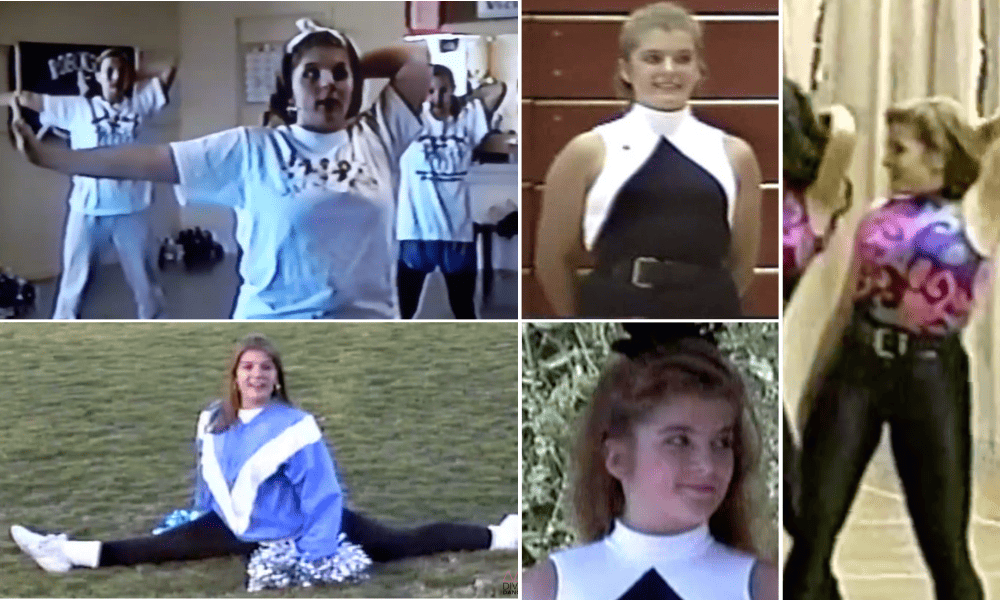
Kristin's story follows a similar arc. She grew up playing drums, sitting on her dad's lap at gigs from age three. She went to school for audio engineering, worked for Warner Brothers Records doing street team marketing, and watched the entire music industry shift under her feet when Napster launched in 1999.
"All of a sudden people went from believing music was art and it should be paid for to completely believing music should be free," Kristin said. "And what that did to musicians was devastating."
She pivoted. Started a tech startup. Hated the nine-to-five. Then she and her husband (also a musician) found School of Rock, a small franchise system at the time with maybe 20 locations. They went to work for a franchisee, built that music school into one of the biggest in the system, and over the next eight years expanded to managing 27 schools across the country.
That's where Kristin fell in love with operations, coaching, and the art of turning a struggling location into a thriving one. When she and her husband decided they wanted to own their own franchise, she took a job at The Lash Lounge to fund it. Nine years later, she's the COO of Head to Toe Brands, an umbrella platform with four beauty brands: The Lash Lounge, Frenchie's Modern Nail Care, Bishop's Cuts Color, and Delta Crown Extensions (launching publicly in April 2026).
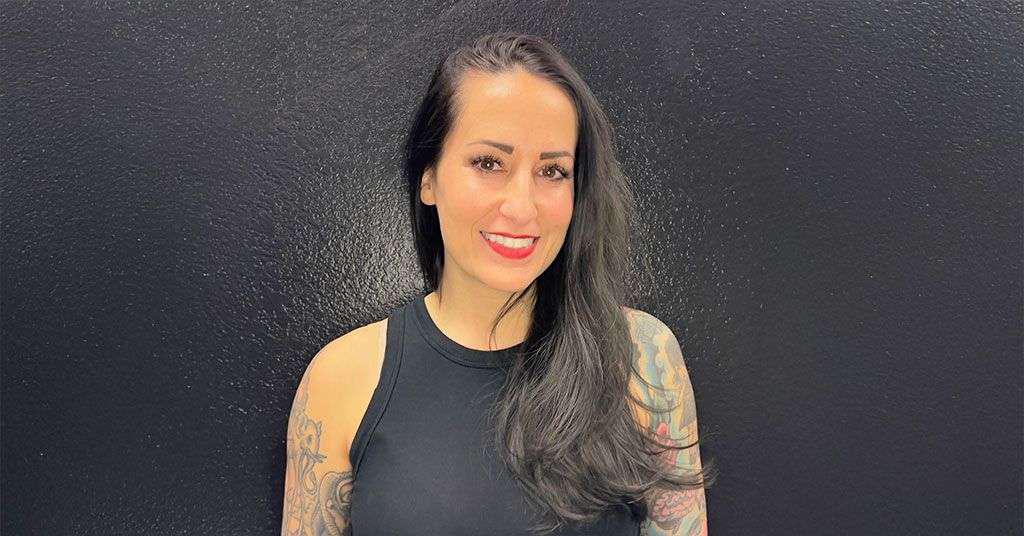
Why franchise ownership beats going it alone
Both Jami and Kristin were blunt about this: anyone can start a business. Anyone with a GoDaddy account, a LegalZoom login, and Canva can hang a shingle. But franchise ownership is different.
"You're in business for yourself, but you're not by yourself," Jami said. It's a phrase that gets used a lot in franchising circles, but it lands differently when you hear it from someone who actually lived both sides.
Kristin put it this way: "If you were to open your own business from scratch, who do you ask? Who do you go to? How do you figure out if it's a sound business model? That's what's so cool about franchising. You have every step of the way mapped out. It's going to be up to you to execute an incredible business, but you don't have to reinvent the wheel."
And then there's the financial side. Franchise ownership is a financial asset, not just a job. Jami talks about this a lot and feels strongly that women don't talk about money and assets enough. Owning a franchise is different from being self-employed. Self-employed means when you stop working, you stop making money. Business ownership means the business generates revenue because you built something that runs.
Kristin added a practical angle: "I think three is a magic number. Once you have three locations, you can go to five and ten easily. It's hard to go from one to two. Hard to go from two to three. But once you have three, you can have one manager over everything, one marketing source, one payroll source. You can really start to spread out those costs."
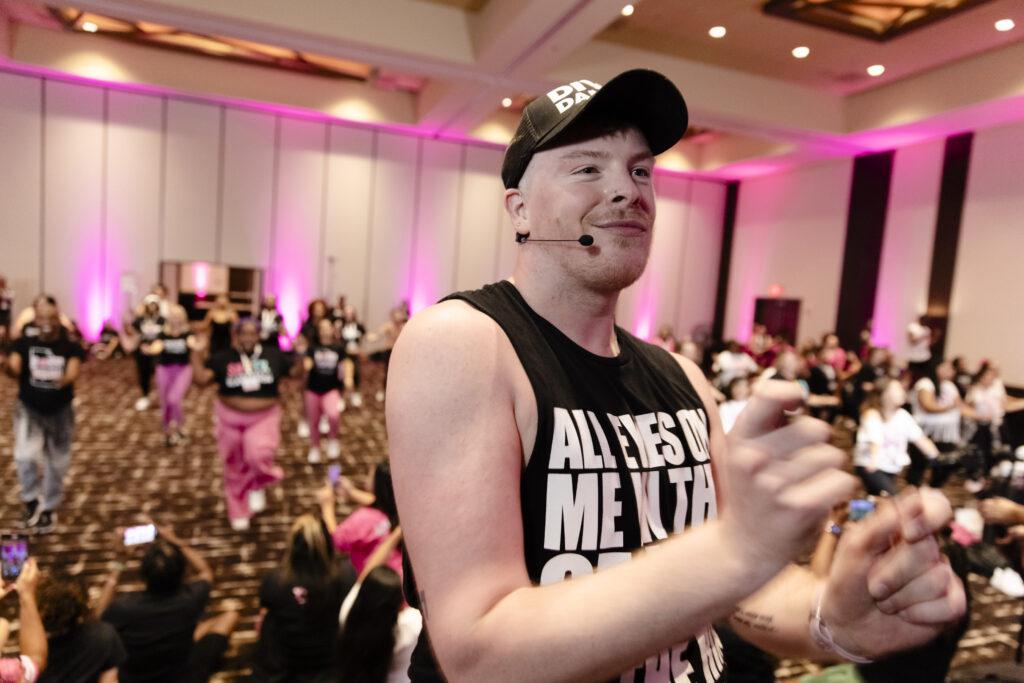
What the franchise discovery process actually looks like
For anyone who's curious about what it takes to actually buy a franchise, both Jami and Kristin broke down the process. It's more structured than most people expect, and that structure exists to protect you.
Step one is research. Do you believe in the brand? Do you align with its values? Kristin was direct about this: "I don't agree with people getting into business ownership because they want to make money. If you are doing it for that reason, you're not doing it for the right reason. You need to believe in what you're doing."
Then you enter the pipeline. A franchise development representative walks you through everything. You receive the Franchise Disclosure Document (FDD), which is a federally required document from the FTC. Every franchise system must use the same format, same items, same level of transparency. There are no surprise fees, no hidden requirements. It's all there.
You talk to current franchise owners. This is called validation, and it's one of the most powerful parts of the process. You can call any franchisee in the system and ask them anything about their experience.
You attend a Discovery Day (or Decision Day). You visit the corporate team, get inside details on the brand, and both sides decide if it's a fit.
Then you sign the franchise agreement, typically a 10-year commitment, and the real work begins.
One thing Jami stressed: the process is mutual selection. "It's you deciding we're right for you and us deciding if you're right for us. Not in a way of 'we like you or we don't like you.' It's: will you be successful in our system?" (Curious what the DivaDance discovery process looks like? Start here.)
For DivaDance, that means values alignment. The brand celebrates Pride, Black History Month, and asks people their pronouns. If that doesn't feel right for a potential owner, they won't thrive in the system. And Jami would rather know that upfront than sign someone who's well-capitalized but misaligned.
You don't need a fortune to start
A lot of people assume you need hundreds of thousands of dollars sitting in a savings account to buy a franchise. Kristin pushed back on that hard.
"When Rey and I wanted to own our own School of Rock, we did not have money. We don't come from money. I was a musician. He was a musician. So we had no money, but we believed in it." They found investors, figured out SBA loans, and put in the work. Her advice: if you don't have the capital yourself, find people who believe in you and partner with them.
DivaDance also has a model that lowers the barrier. Franchise owners don't need a dedicated brick-and-mortar studio. They can rent existing spaces from other businesses (dance studios, group fitness rooms) and bring the DivaDance experience there. Some owners run just five or six classes a week as a supplemental income stream. Others are full-time with a dedicated studio. The flexibility is the point. (More on how our low-cost franchise model works.)
Mentorship and the power of putting yourself out there
Both women came back to the same theme throughout the conversation: put yourself out there.
Jami got her start at Jive Records by walking up to a stranger at South by Southwest. Kristin got her start at Warner Brothers by meeting someone outside a concert venue who hired her at dinner that same night. Neither opportunity came through an application portal or a polished resume.
Kristin was honest about how that gets harder as you get older. "As a young person, it was so natural to put myself out there. I think as we get older that starts to diminish. We start to feel more self-conscious. Those anxieties and fears as an adult start to take hold."
Her solution: do it anyway. She and Jami met at a point-of-sale conference because Jami struck up a conversation. Kristin admits she's naturally quiet and reserved in those settings. Without that moment, they'd never have become friends, collaborators, or co-hosts of this conversation.
Jami runs a mentorship program through DivaDance specifically for people who might not otherwise have access to mentorship. The criteria: you're someone who doesn't have a mentor and could use one. The program blends mindset and skill-building, and Jami calls it one of the most fulfilling things she's done in the business.
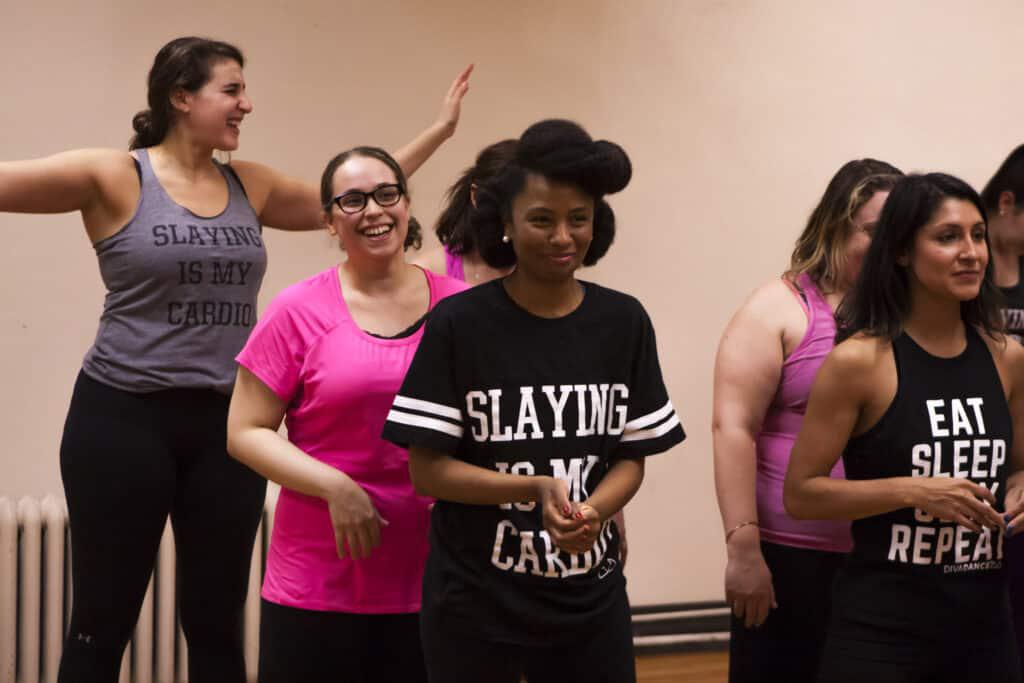
What confident people do for everyone around them
Kristin summed it up simply: "Confident women create more confident women."
Jami put her own spin on it: "When people leave DivaDance, they're probably nicer drivers on the road immediately after. When you're confident, it's contagious. It comes out of you in so many places."
That's the common thread between a dance brand with 55 locations and a beauty brand portfolio with four concepts under one roof. Both exist to make people feel something when they walk out the door. Whether it's lash extensions that make you look in the mirror after a shower and think "I'm okay," or choreography that makes you feel like you're living your own music video, the product is confidence. And confidence, as both women agree, is contagious.
Frequently asked questions about franchise ownership
How much does it cost to buy a franchise?
It varies widely by brand and industry. Some franchise systems require less upfront capital than others. DivaDance, for example, doesn't require a dedicated brick-and-mortar studio, which keeps startup costs much lower than a traditional studio build-out. The best way to find out is to start the discovery process and review the Franchise Disclosure Document (FDD), which breaks down every fee and requirement.
Do I need business experience to own a franchise?
Not necessarily. Kristin Kidd had zero experience in beauty before joining The Lash Lounge, but her operations and scaling experience from School of Rock translated directly. Franchise systems provide training, best practices, and ongoing support. What matters most is your work ethic, your ability to follow a system, and your belief in the brand.
Can I own a franchise and keep my full-time job?
Yes. Both DivaDance and several Head to Toe Brands have owners who operate their businesses part-time while maintaining other careers. Jami Stigliano herself owns a DivaDance franchise unit while serving as CEO. The key is building a strong team and following the system consistently.
What is a Franchise Disclosure Document (FDD)?
The FDD is a federally required document that every franchise system must provide to prospective owners. It covers fees, obligations, territory rights, and historical performance data from existing locations. It's designed to protect you and ensure full transparency before you commit.
What should I look for in a franchise brand?
Values alignment, a strong training program, community among existing owners, and a brand you genuinely believe in. Both Jami and Kristin emphasized that making money is a byproduct of believing in your brand and executing well. Start with the "why," not the financials.
Interested in exploring franchise ownership with DivaDance? Visit divadance.com/franchise-opportunities to learn more. Want to check out the Head to Toe Brands portfolio (The Lash Lounge, Frenchie's, Bishop's, and Delta Crown)? Visit httbrands.com/own-a-franchise.
And if you've never taken a DivaDance class, what are you waiting for? No dance experience required. Find a location near you at divadance.com. 💃