A new term keeps showing up in trend reports, culture pieces, and social feeds: soft socializing. Eventbrite named it one of the five defining trends of 2026. The concept: social experiences built around shared activities instead of forced conversation. Events where connection happens because you're doing something together, not because you're performing small talk for two hours.
Puzzle nights. Silent book clubs. Flower arranging. Pottery classes. Music bingo.
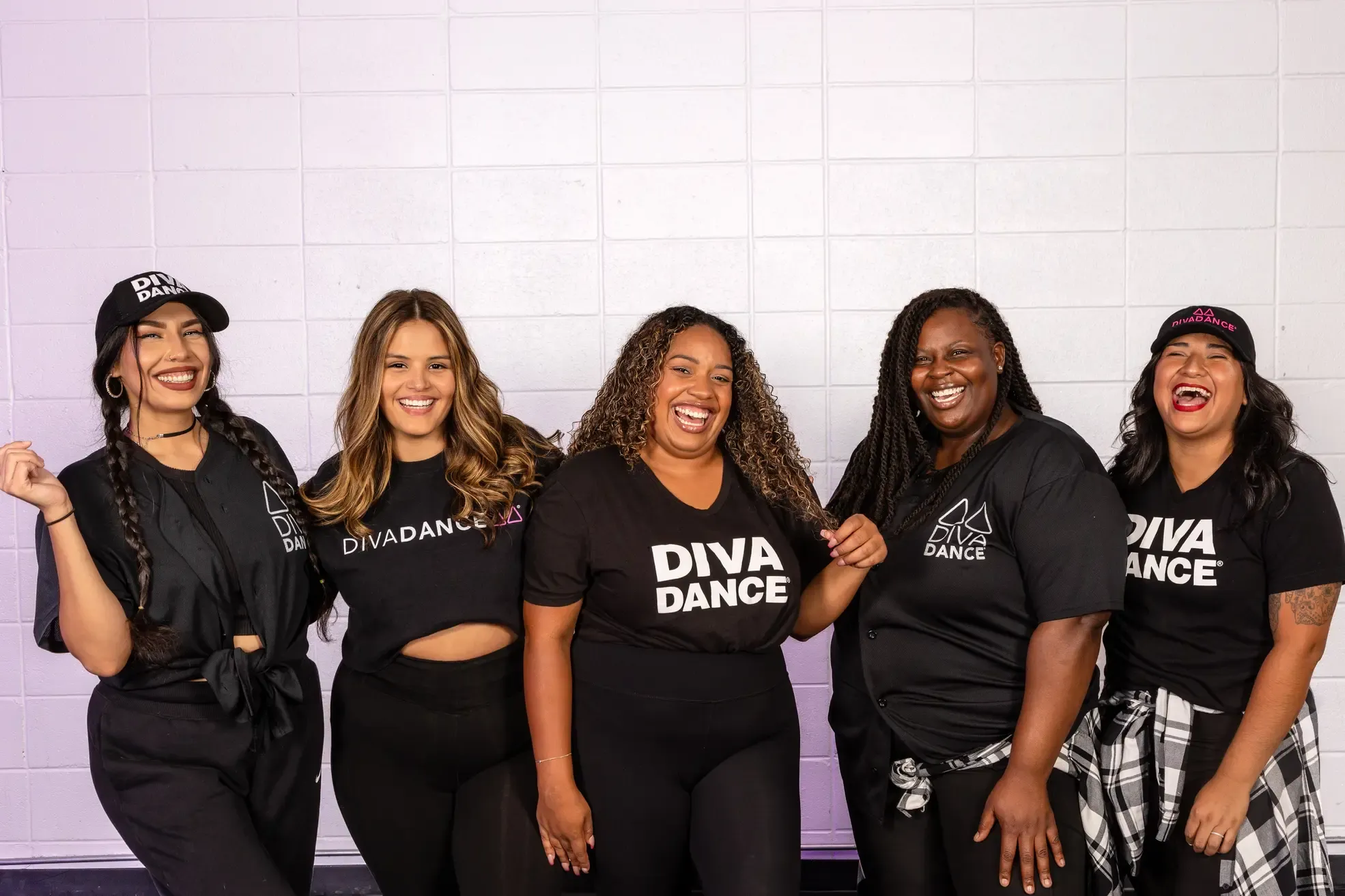
If that sounds familiar, you've been to a DivaDance class.
What Is Soft Socializing?
Eventbrite surveyed over 4,000 adults in the US and UK for their 2026 Social Study. The numbers paint a picture of a generation that wants to be around people but on completely different terms than before.
58% say socializing matters to them but don't want it to be the main focus of an event. 45% want control over when and how they interact. 41% want the option to just observe without anyone forcing small talk on them.
And yet. 79% of adults aged 18-35 want to attend more live events.
That's not a contradiction. People aren't withdrawing. They're rejecting the old model where socializing means performing. They want to be present with other people while doing something that doesn't require them to be "on" the entire time.
Psychologists compare it to parallel play. The developmental stage where kids play side by side, absorbed in their own thing but comforted by each other's presence. Turns out adults want that too. A comforting middle ground. Presence without pressure.
The Numbers Are Wild
Eventbrite's platform data shows what's actually growing. Not what people say they want. What they're actually buying tickets to.
Flower arranging events are up 282% in attendance in the UK. Puzzle competitions up 151% in the US. Caffeine tastings grew 80% in events and 49% in attendance in the UK. Music bingo is up 149% in attendance in the US. Silent events (discos and book clubs combined) are up 14% in UK attendance.
The pattern is hard to miss. People are showing up in record numbers for activities where the social pressure is low and the shared experience is high.
Why Dance Class Is Peak Soft Socializing
In a puzzle night, you solve puzzles near other people. In a silent book club, you read near other people. The activity and the social element run parallel. They're next to each other but they're separate things.
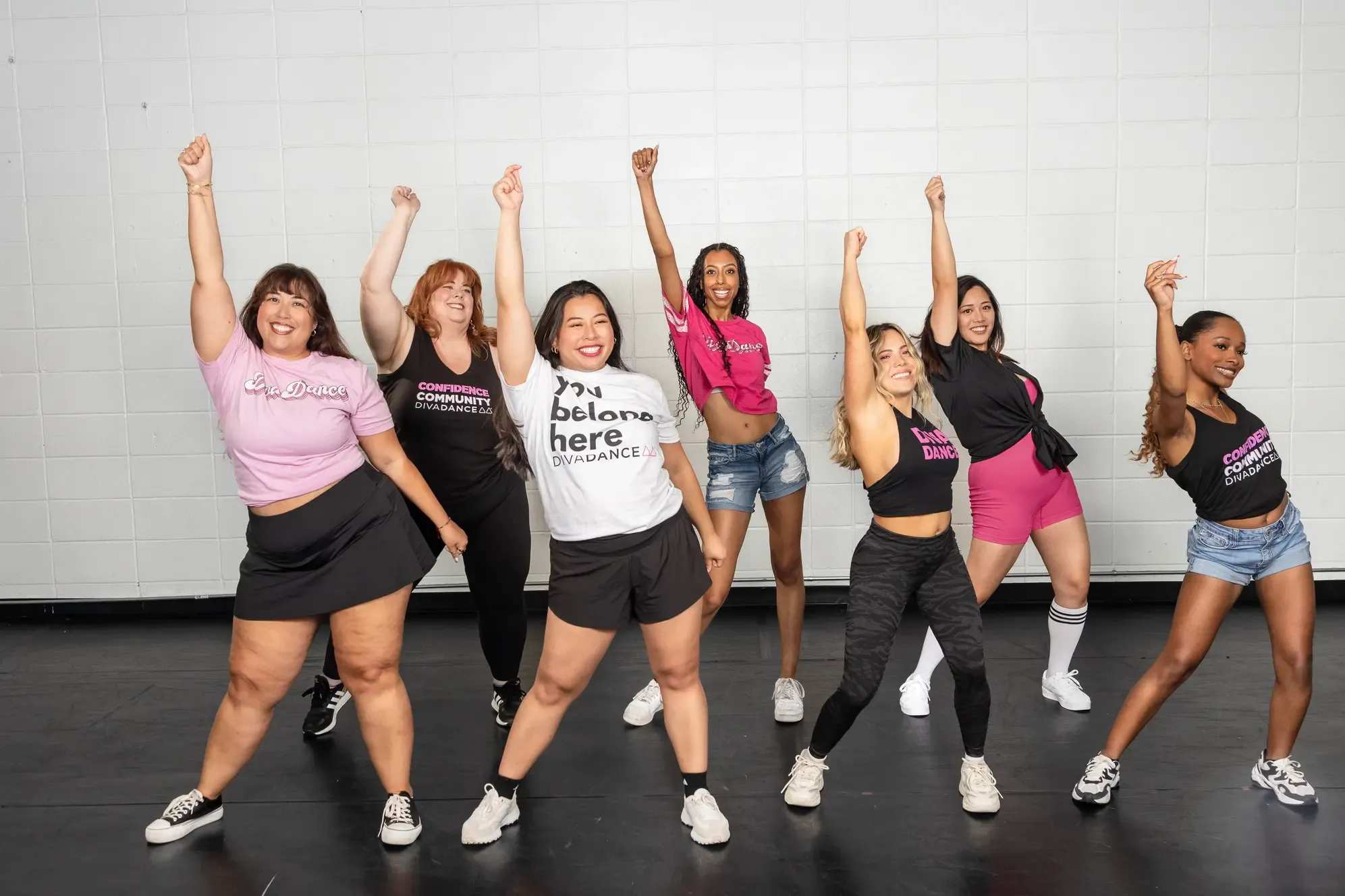
In a DivaDance class, the activity and the social element are the same thing. You're learning choreography together. Moving at the same time. Laughing at the same moments. Celebrating the same breakthroughs. The connection isn't happening next to the activity. It's happening through it.
That's why our classes produce friendships faster than almost any other adult social format. You skip the awkward small talk phase entirely. By the end of your first class, you've shared a physical experience with a room full of people. You've been vulnerable together. (Nobody looks cool learning new choreography.) You've celebrated together. (The moment the routine clicks.)
Research on adult friendship formation identifies three requirements: repeated unplanned interactions, a shared activity, and mutual vulnerability. A DivaDance class delivers all three in sixty minutes.
What Women Actually Want
Soft socializing isn't gender-specific, but the data skews heavily toward women's preferences. The desire for activity-based connection over conversation-based connection tracks with what we see in our studios every single day.
Moms who can't remember the last time they did something just for themselves find their people at DivaDance. Adults who moved to a new city and have no idea how to make friends find a built-in community within weeks.
All of this was happening before anyone coined the term "soft socializing." The trend caught up to what was already real.
The numbers from our own studios back this up. Across 50+ DivaDance locations, 68% of members who stay past their third class report making at least one new friend through DivaDance. In post-class surveys, "I felt like I belonged" outranks "I got a good workout" as the top reason people come back. The average DivaDance member attends with a friend they made in class within their first month. That’s not marketing copy. That’s what happens when you put 20 adults in a room, teach them the same Beyoncé routine, and let the shared experience do the work.
How to Start
No dance experience required. DivaDance classes are designed for people who have never danced. Choreography is broken down step by step.
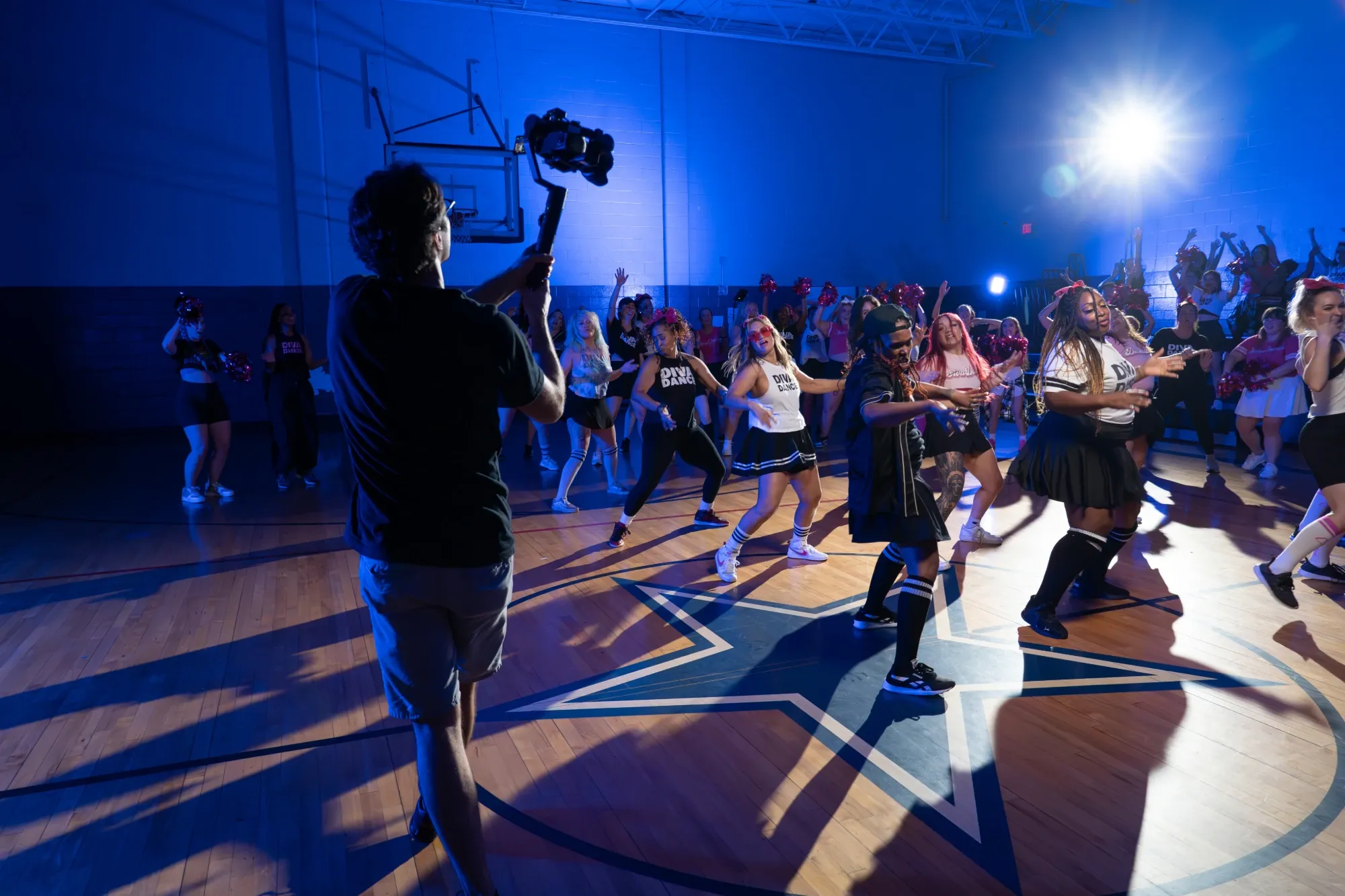
The choreography is the icebreaker. You don't need a conversation starter when you're learning the same Beyoncé routine as the person next to you. By the time the song ends, you've already shared something. That's how people meet here. Not through awkward introductions, but through the shared experience of dancing together.
It gets better every week. First class is about surviving. Second class is about learning. By the third class, you'll start recognizing faces. By the fifth, you'll be saving a spot.
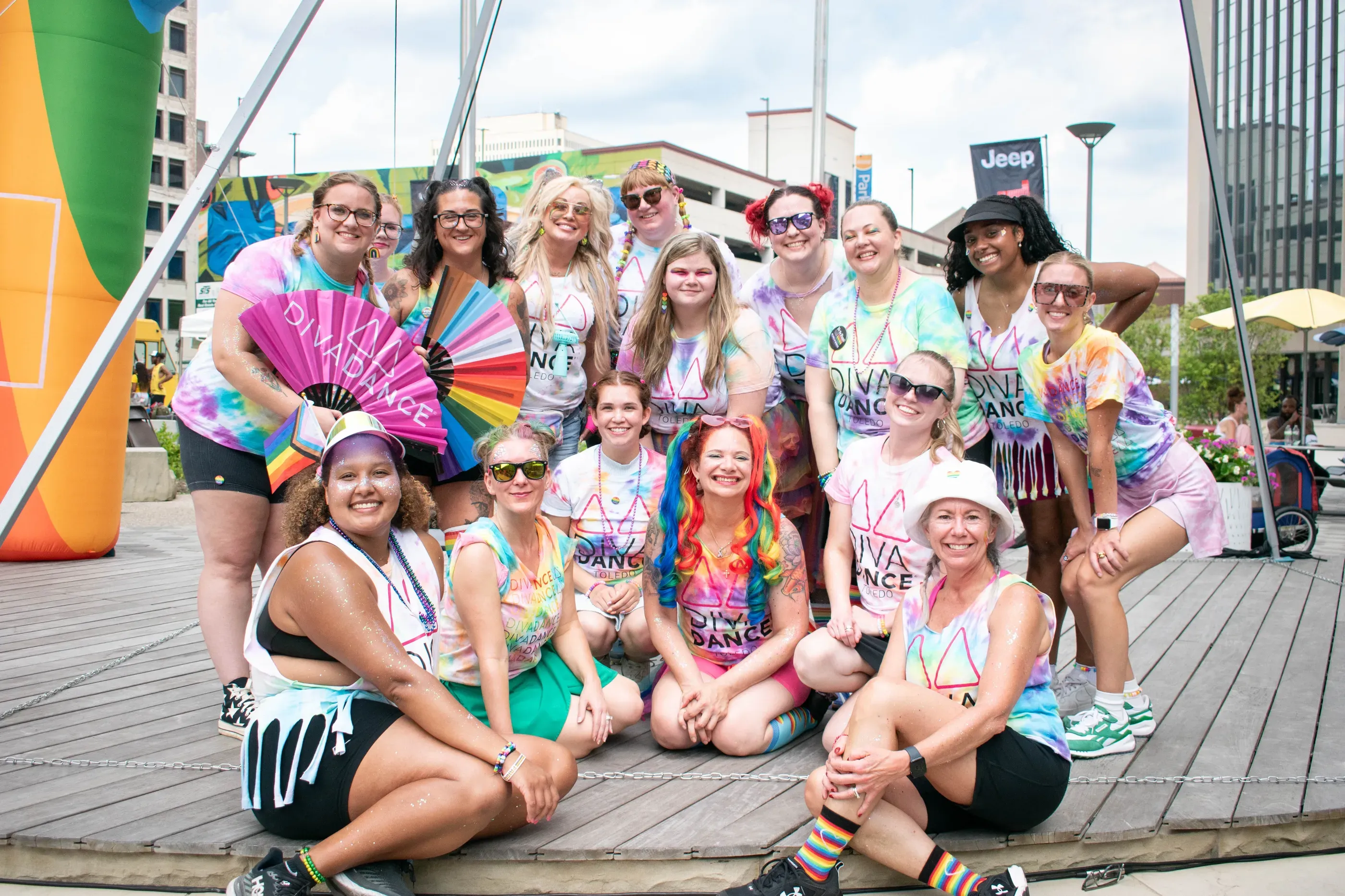
Soft socializing works because it removes the pressure and lets connection happen on its own terms. Dance class works because the connection isn't just natural. It's physical, emotional, and shared in a way that sitting at a table together can never be.
Data sources: Eventbrite 2026 Social Study (4,051 US/UK adults surveyed). For the companion trend: What Is Soft Clubbing?. For the music data: The 50 Most-Requested Dance Songs of All Time.
Frequently Asked Questions
What is soft socializing?
Soft socializing describes social experiences built around shared activities instead of forced conversation. Eventbrite’s 2026 Social Study found that 58% of adults want socializing to not be the main focus of an event, while 79% of 18-35 year olds want to attend more live events. The trend includes puzzle nights, silent book clubs, and dance classes.
Why is soft socializing popular in 2026?
Multiple cultural forces are driving it. Gen Z drinks less than previous generations. Post-pandemic isolation created demand for togetherness without the pressure of traditional socializing. Eventbrite data shows flower arranging up 282%, puzzle competitions up 151%, and music bingo up 149% in attendance.
How is dance class a form of soft socializing?
Most soft socializing formats put you near other people while you do something separately. Dance class makes the activity and the social experience the same thing. Research shows adult friendships need repeated interactions, shared activity, and mutual vulnerability, and a dance class delivers all three.
Do I need dance experience for DivaDance?
No. DivaDance choreography classes are designed for people who have never danced. About 70% of participants have never taken a dance class before.
Can I go to DivaDance alone?
Absolutely. Most people come alone the first time. But by week three, you’ll start recognizing faces, and by week five, you’ll be saving a spot for the person you met in class two.