What Is Soft Clubbing? (And Why DivaDance Was Doing It Before It Had a Name)
Soft clubbing is having a moment. Vice wrote about it. Fox News covered it. Eventbrite's 2026 Social Study called it one of the five defining trends of the year. The concept: daytime social gatherings built around music, movement, and community, where the experience replaces the alcohol instead of the other way around.
Morning raves in coffee shops. DJ sets in bakeries. Day parties that end before your kids' bedtime. The media is treating this like some bold new invention.
We've been doing this since 2015.
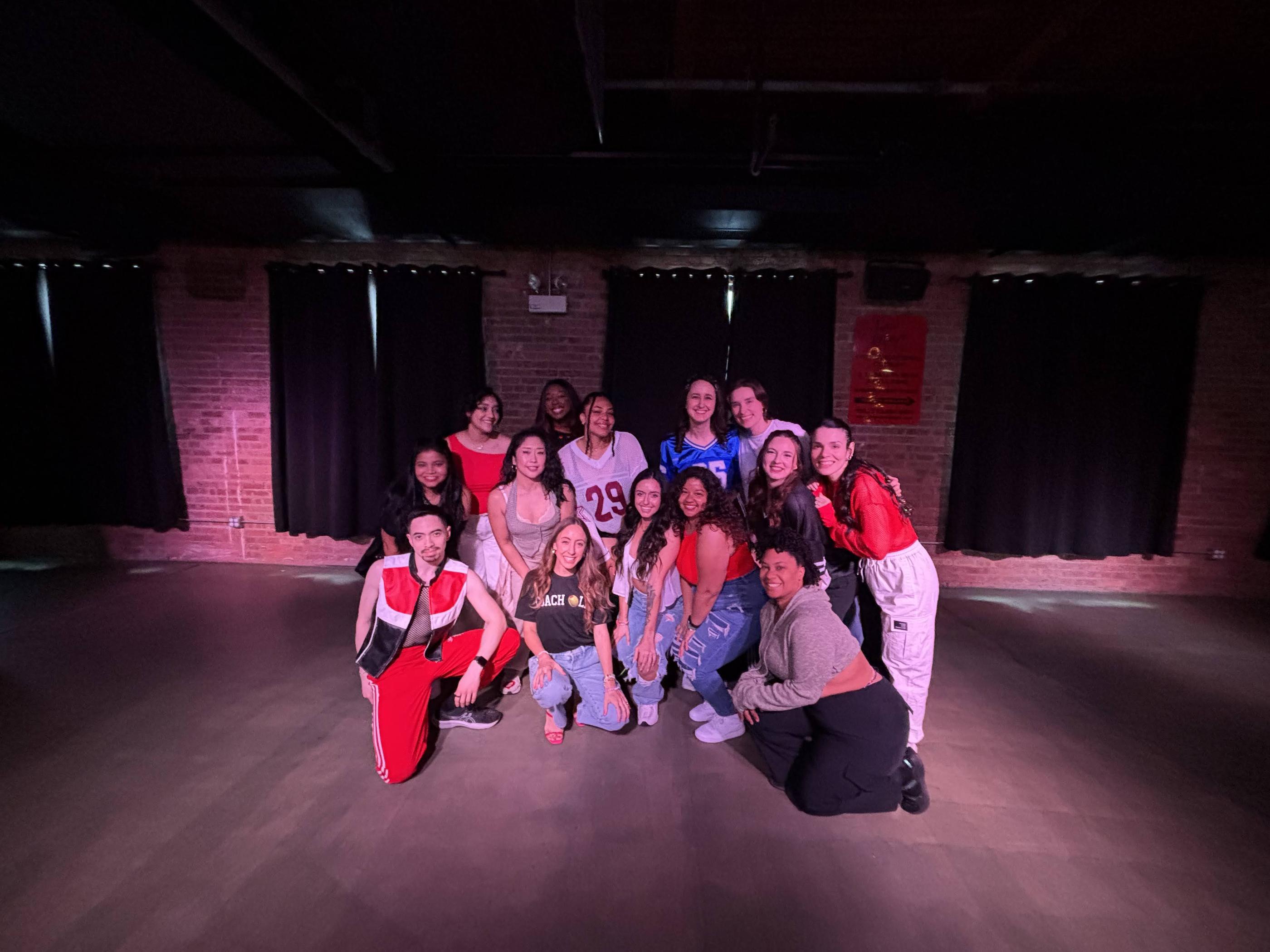
DivaDance classes have always been what soft clubbing is trying to become. A room full of people. Great music. Choreography that makes you sweat. Pink lighting. No alcohol required. No 2 AM stumble home. No hangover. Just the good parts of going out, without the parts that make you feel terrible the next day.
We didn't call it soft clubbing. We called it Tuesday night.
What Is Soft Clubbing, Exactly?
The term describes a shift away from traditional nightlife toward social experiences that keep the music and energy of clubbing but ditch the excess. According to Eventbrite's 2026 data, coffee clubbing alone has grown 478%. Sober-curious gatherings are up 92%. Morning raves, day parties, and DJ sets in non-traditional venues are popping up in every major city.
The forces driving it are real. Gen Z drinks significantly less than previous generations. Economic pressures make $15 cocktails less appealing. The wellness movement has people rethinking what "going out" means. And after years of pandemic isolation, people want to be together. They just don't want the traditional nightlife package that comes with it.
So they're finding alternatives. Coffee shops with DJ sets. Bakeries turned into dance floors. Brunch raves. Morning dance parties.
Or, you know, a DivaDance class.
Why DivaDance Is the Original Soft Club
Our classes are built around the songs people actually request. Not background music. Not a generic playlist. Songs that tens of thousands of people chose because they wanted to move to them. (We have 42,000+ song requests to prove it.) That's music-forward in a way that a bakery with a Bluetooth speaker can't touch.
But it goes beyond the music. You're learning real choreography. Your body is doing something. You're not standing around holding a drink and pretending to have a conversation over deafening bass. And by week two, you know the people around you. Not because we force awkward icebreakers, but because learning choreography together breaks down walls faster than any cocktail ever has.
Most DivaDance classes are alcohol-free. The music, the movement, and the room full of people provide more than enough dopamine on their own. (We do have Sip & Slay classes and Premium parties for people who want to add a drink to the mix, but the energy never depends on it.)
Classes are 60 minutes. You're home before the late news. No dress code. No bouncer. No VIP section. No cover charge that varies based on how you look.
Every box the soft clubbing trend checks, we've been checking since Obama was president.
The Numbers Are Hard to Ignore
This isn't a vibe. It's a measurable shift.
Eventbrite reports sober-curious gatherings up 92% on their platform. Coffee clubbing events up 478%. In the UK, music bingo attendance jumped 149%. Silent discos are growing too, up 14% in attendance.
Meanwhile, only 54% of American adults report drinking alcohol. That's down eight points from 2023. Near a 90-year low. Among Gen Z, 61% say they want to drink less.
Think about what that means for a $5.8 trillion global nightlife industry that built its entire business model on alcohol sales. When 61% of your next generation of customers wants to drink less, that model doesn't bend. It breaks.
Soft clubbing is what fills the gap. DivaDance filled it a decade ago.
Why Dance Beats Every Other Version of Soft Clubbing
A DJ set in a bakery is fine. A morning rave in a coffee shop is fun. But there's a difference between standing in a room where music is playing and actually dancing to it.
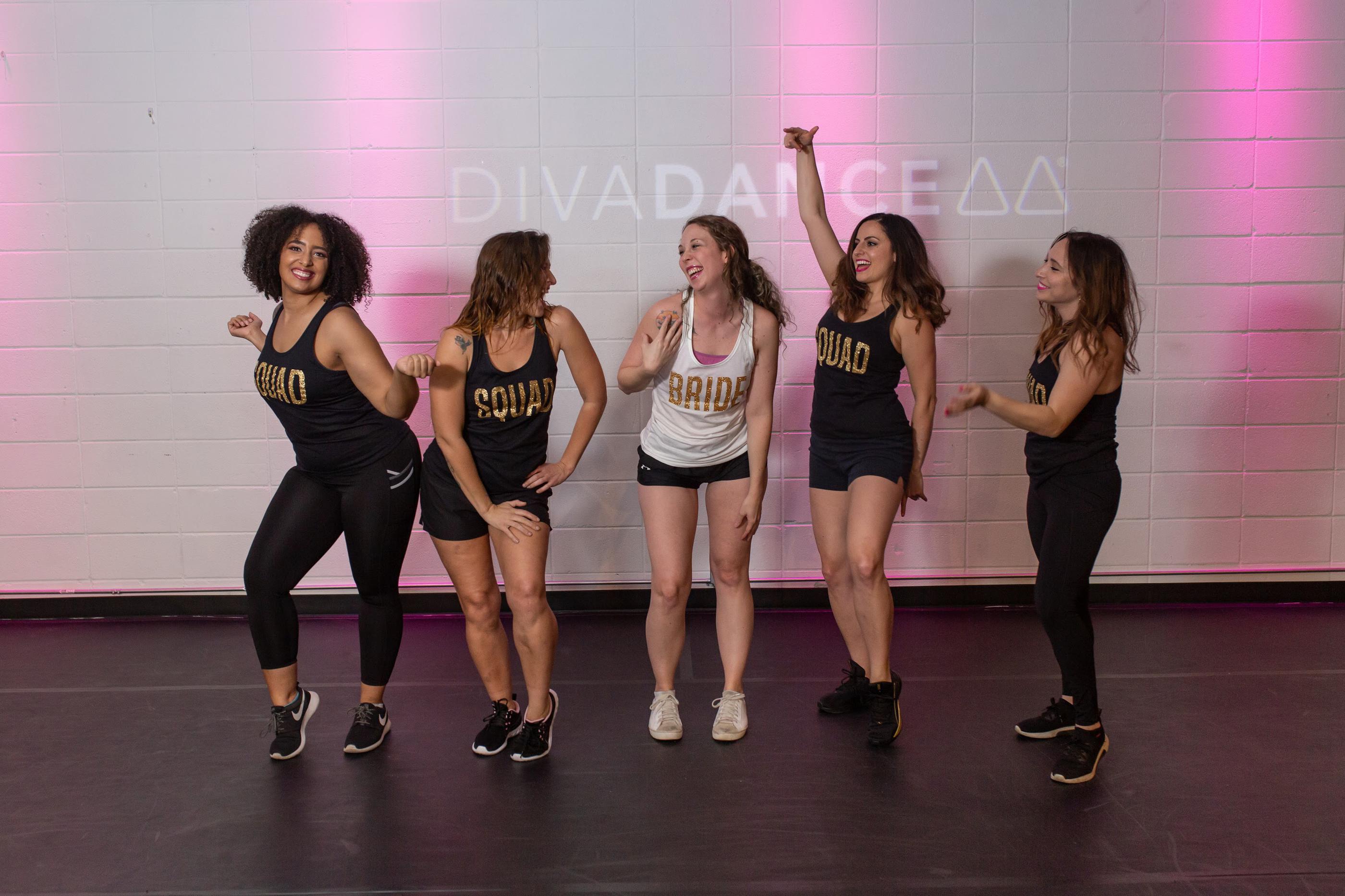
Dance adds something passive listening can't: you're using your body. The endorphin release is real. The cardiovascular benefit is real. The confidence boost from learning choreography and then performing it with a group of strangers who became your people? That's real in a way that vibes can never be.
A morning coffee rave gives you an aesthetic. A DivaDance class gives you a workout, choreography you can show your friends, and a community that texts you when you miss a week.
Those are different things.
Try the Original Soft Club
DivaDance runs classes in 50+ cities. No dance experience required. No alcohol needed (though we won't judge if you show up to a Sip & Slay). Just music, movement, and a room full of people who are there for the same reason you are: because going out should make you feel better, not worse.
The soft clubbing trend figured that out in 2025. We figured it out in 2015.
For the data behind the music: The 50 Most-Requested Dance Songs of All Time. For the companion trend: Soft Socializing Is the Biggest Trend of 2026.
Data sources: Eventbrite 2026 Social Study (4,051 US/UK adults surveyed). Platform data comparing Aug 2023-Jul 2024 vs Aug 2024-Jul 2025.
Frequently Asked Questions
What is soft clubbing?
Soft clubbing describes daytime social gatherings built around music, movement, and community where the experience replaces alcohol. It includes morning raves, coffee shop DJ sets, day parties, and dance classes. Eventbrite named it one of the five defining social trends of 2026.
Why is soft clubbing trending in 2026?
Several cultural shifts are driving it. Gen Z drinks significantly less than previous generations, with 61% saying they want to drink less. Only 54% of American adults report drinking alcohol, near a 90-year low. Coffee clubbing events grew 478% and sober-curious gatherings are up 92% on Eventbrite.
Is DivaDance a form of soft clubbing?
DivaDance has operated as a soft clubbing experience since 2015, before the term existed. Classes feature music people actually request from a dataset of 42,000+ song requests, original choreography, community by design, and no alcohol requirement.
What is the difference between soft clubbing and regular clubbing?
Traditional clubbing is built around alcohol, late hours, and passive listening. Soft clubbing keeps the music and social energy but removes the excess. Events happen during daytime or early evening, focus on activities like dance, and the experience works without alcohol.
Do DivaDance classes serve alcohol?
Most DivaDance classes are alcohol-free. DivaDance also offers Sip and Slay classes and Premium parties for groups who want to include drinks, but the experience never depends on alcohol.