How to make friends as an adult comes down to one move. Pick one recurring shared activity. Put your body in the same room as the same people every week. Stick with it for at least three months. Adult friendship needs the structure that school and college used to provide automatically. Without that structure, two willing adults default to "we should grab coffee" and never do.
The US Surgeon General called this a public health crisis in a May 2023 advisory, citing research that the mortality risk of social disconnection is comparable to smoking up to 15 cigarettes a day. About 1 in 2 American adults reported loneliness even before the pandemic. That's why "I should make new friends" became a common project at 30, 40, and 50.
You can have a career, a partner, kids, and a calendar that looks full, and still feel like nobody actually knows you. What follows is the research on adult friendship, plus what we've seen across 50+ DivaDance® studios since 2015 about why some approaches actually build friendships and most of the usual advice doesn't.
Why making friends as an adult is awkward and hard
Adult friendship is hard to form because adulthood removed the structures that made childhood friendship easy. School forced daily proximity. Dorms forced daily proximity. Adult life doesn't. Work friends evaporate when the job changes. Your college crew is scattered across four time zones and three life stages.
Research on adult social networks consistently finds that we cycle through close friends faster than we think. A longitudinal study by Dutch sociologists Gerald Mollenhorst, Beate Völker, and Henk Flap was published in Social Networks in 2014. It tracked 1,007 Dutch adults aged 18 to 65 across seven years and found that 70% of the people named as close confidants or practical helpers in the first survey were no longer named in the same role by the second one. The total size of each person's network stayed roughly the same. The composition did not. That replacement doesn't happen on its own. Someone makes a decision to make it happen.
The awkwardness is real. The actual problem is structure. Without a repeating shared context, two interested adults default to vague plans and never follow through.
What are in-person group activities for adults to combat loneliness?
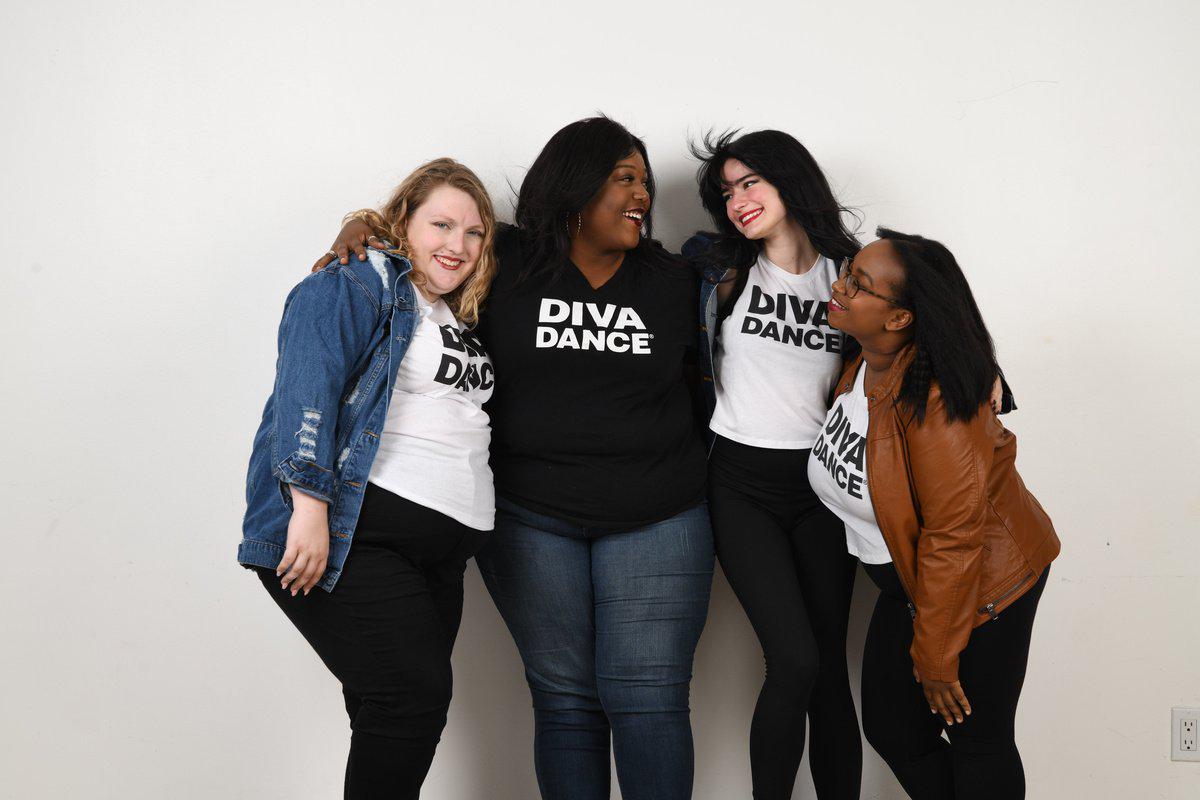
The in-person group activities that build adult friendship share three traits: a regular meeting time, a shared task that requires bodies in the room, and a low barrier to showing up. Anything missing one of those traits weakens the bonding mechanism.
Activities that meet all three:
- Recreational sports leagues (kickball, volleyball, soccer)
- Dance classes for adults: DivaDance, ballroom, partner forms
- Group fitness with the same instructor and time slot week over week
- Community choirs and bands
- Improv troupes and theater ensembles
- Run clubs that meet on schedule
- Volunteer crews with the same recurring shift
Activities that fall short: one-off meetups, book clubs that only meet monthly, networking events with no shared task, most online groups. They check the box for showing up but skip the repetition and the in-person co-action that builds real closeness. If an activity is missing one of the three traits, the math doesn't work.
How do group fitness meetups help adults fight isolation?
Group fitness fights isolation because moving in time with other people, repeated weekly, builds connection faster than conversation alone. This is documented in social psychology, not just felt in the room.
Stanford researchers Scott Wiltermuth and Chip Heath found in a 2009 study published in Psychological Science that people who moved in synchrony with others cooperated more in subsequent group exercises, even when cooperation required personal sacrifice. The effect appeared across three experiments. The authors concluded that synchronous activity strengthens social attachment among group members.
This is why dance class outperforms a coffee date for new friendship velocity. Coffee dates require both people to perform interestingness for an hour. A dance class lets the activity carry the social weight. By week three, you already know who counts the music out loud, who laughs through the choreography, and who shows up early. The choreography is the icebreaker. You don't need a conversation starter when you're learning the same routine as the person next to you.
Shared experience beats shared interest, every time

Most advice on adult friendship leads with "find people with shared interests." That advice is incomplete. Shared interest gets you into the room. The repeated shared experience inside the room is what builds the friendship.
The difference is mechanical. Two people who both love Beyoncé can talk about Beyoncé for an hour and walk away with nothing. Now picture two people learning the same choreography to "Crazy in Love" in the same studio. They flub the same eight-count. They land the routine after twenty repetitions. They lock eyes in the mirror at the same second. That is a moment that doesn't happen in conversation. They have a memory. They have an inside joke. They have proof that the other person was there.
DivaDance members request specific artists when they sign up. Beyoncé leads the list with 1,799 requests across 355 unique songs, more than double the count of the number two artist. That data comes from 42,482 song requests across classes in 82 US cities. The artist preference is the shared interest. The class is the shared experience. The friendships happen because of the second one. This is also why soft socializing through dance class has become one of the fastest-growing community formats for adults right now.
Can dancing actually improve your mental health?
Yes, and the research holding up that claim is stronger than typical wellness coverage suggests. A 2024 systematic review and network meta-analysis published in The BMJ compared 218 randomized controlled trials on exercise for depression. Across every modality studied, dance produced the largest effect size. It outperformed walking, jogging, yoga, strength training, and standard antidepressants. The authors flagged the social and rhythmic components of dance as likely drivers.
The honest caveat: only about 15 of those 218 trials specifically tested dance. Lead author Michael Noetel told National Geographic he was surprised dance even had five focused studies, and called for more large-scale trials before dance can be considered a stand-alone treatment for depression. The evidence base is small, but every signal it sends points the same direction.
Layer the friendship effect on top of the early depression evidence, and group dance hits both pathways the Surgeon General named as protective against premature death: social connection and physical activity.
How DivaDance members find their people

New members tell us the same story in our new member surveys. They came in for the dance. They stayed for the friendships they did not expect to make. The text thread that started after the third class. The girls' weekend planned by people who met in October. The wedding where four bridesmaids met in a Tuesday night class.
Based on responses from almost 10,000 new DivaDance members, fewer than 1 in 20 are currently training as dancers. 49% have never taken a formal dance class. They're adults in their 20s, 30s, 40s, 50s, and 60s walking into a room where nobody knows them, for an hour of choreography, and walking out with the start of a group chat.
That is the unglamorous truth about how to make friends as an adult. You pick a room with a recurring schedule. You go often enough that the regulars know your name. You let the activity do the work that conversation alone can't. Then one day you realize you have people.
How to start if you're tired of feeling alone
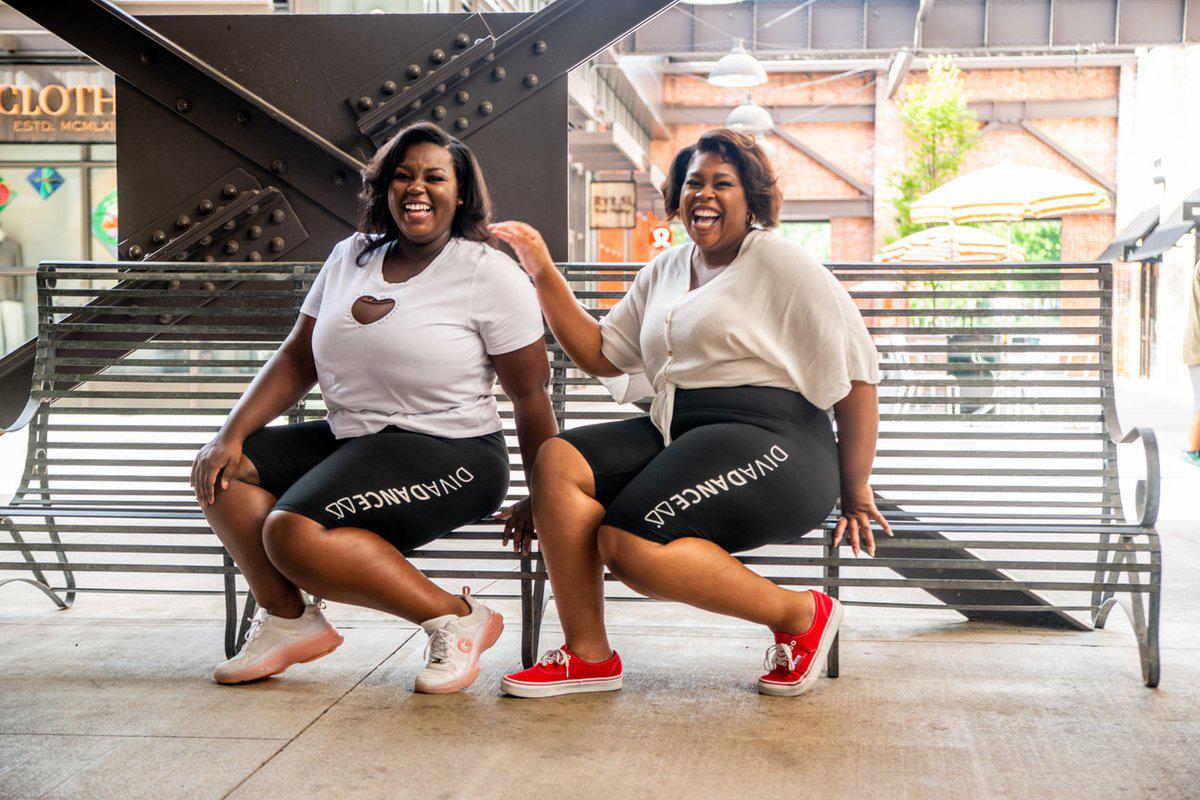
Pick one recurring activity that puts your body in the same room as the same people every week, on a schedule you will actually keep. Try it for at least six weeks before you decide whether it's working. Most adult friendships take three to four months of consistent showing up before they feel real. That timeline matches research from Dr. Jeffrey Hall at the University of Kansas. His 2018 study on hours-to-friendship, which surveyed 355 adults who had recently relocated and tracked 112 first-year college students across nine weeks, found about 50 hours together moves you from acquaintance to casual friend. Around 90 hours gets you to friend. More than 200 hours gets you to close friends.
If a DivaDance studio is near you, your first class is a low-stakes way to test the mechanism. No experience required. No dance background expected. 45 to 75 minutes of choreography to music you already love, in a room full of adults who showed up for the same reason you did. We run multiple class formats across 50+ studios since 2015, so you can pick the energy and time commitment that fits your week.
Book your first class. Show up the next week, and the one after that. That's how adult friendships actually start: same room, same activity, again and again, until one day they aren't strangers.
Frequently asked questions
How do you make friends as an adult if you have social anxiety?
Pick a recurring activity with a structured task built in, so you aren't relying on small talk. Dance classes, group fitness, run clubs, and improv troupes work because the activity carries the social weight for the first few weeks.
How long does it take to make a real friend as an adult?
About 50 hours of time together moves you from acquaintance to casual friend, around 90 hours to reach friend, and more than 200 hours to become close friends. That comes from Dr. Jeffrey Hall's University of Kansas study.
Is the loneliness epidemic real?
Yes. The US Surgeon General's May 2023 advisory documented that about 1 in 2 American adults reported loneliness prior to the pandemic, and compared the mortality risk of social isolation to smoking up to 15 cigarettes a day.
What are the best soft socializing classes to make friends as an adult?
The classes that work best combine a recurring schedule, a shared physical task, and low barriers to entry. DivaDance specifically was built for adults with no dance background, which removes the most common barrier people cite for trying something new.
How do I make friends in my 30s or 40s?
The advice doesn't change much by decade. Pick one recurring shared activity that puts you in the same room with the same adults every week, and show up for six to twelve weeks before deciding whether it's working.
Data sources and citations
- US Surgeon General Vivek Murthy, "Our Epidemic of Loneliness and Isolation," May 2023 advisory. Read the advisory.
- Wiltermuth, S. S., & Heath, C. (2009). "Synchrony and Cooperation." Psychological Science, 20(1), 1-5. Source.
- Noetel, M., et al. (2024). "Effect of exercise for depression: systematic review and network meta-analysis of randomized controlled trials." The BMJ, 384, e075847. Source.
- Hall, J. A. (2019). "How many hours does it take to make a friend?" Journal of Social and Personal Relationships, 36(4), 1278-1296. Source.
- Mollenhorst, G., Völker, B., & Flap, H. (2014). "Changes in personal relationships: How social contexts affect the emergence and discontinuation of relationships." Social Networks, 37, 65-80. Source.
- DivaDance proprietary data: responses from almost 10,000 new member surveys; 42,482 song requests across 82 US cities; 50+ studios since 2015.