Dance therapy, also called dance/movement therapy (DMT), is a form of psychotherapy that uses movement to support emotional, social, cognitive and physical well-being. It's led by credentialed dance/movement therapists, usually in clinics, hospitals, schools or private practice. A dance class can lift your mood, but it isn't dance therapy, and knowing the difference helps you pick the right one.
Here's how dance therapy works, what the research says it helps with, and how to find a credentialed dance/movement therapist.
What is dance movement therapy?
The American Dance Therapy Association (ADTA), founded in 1966, defines it as the psychotherapeutic use of movement to promote emotional, social, cognitive and physical integration. In practice, a session might include guided movement, improvisation, mirroring, breath work and talking through what came up.
The core idea is that the body and mind work as one system. How you move reflects how you feel, and changing how you move can change how you feel.
Who provides dance therapy?
Dance/movement therapists hold a master's degree and earn credentials through the Dance/Movement Therapy Certification Board. The two main credentials are R-DMT (Registered Dance/Movement Therapist) and BC-DMT (Board Certified Dance/Movement Therapist). Many also hold state counseling or creative arts therapy licenses.
If someone calls their class "dance therapy," ask about their credentials. Therapy is a clinical service, and the title should come with clinical training.
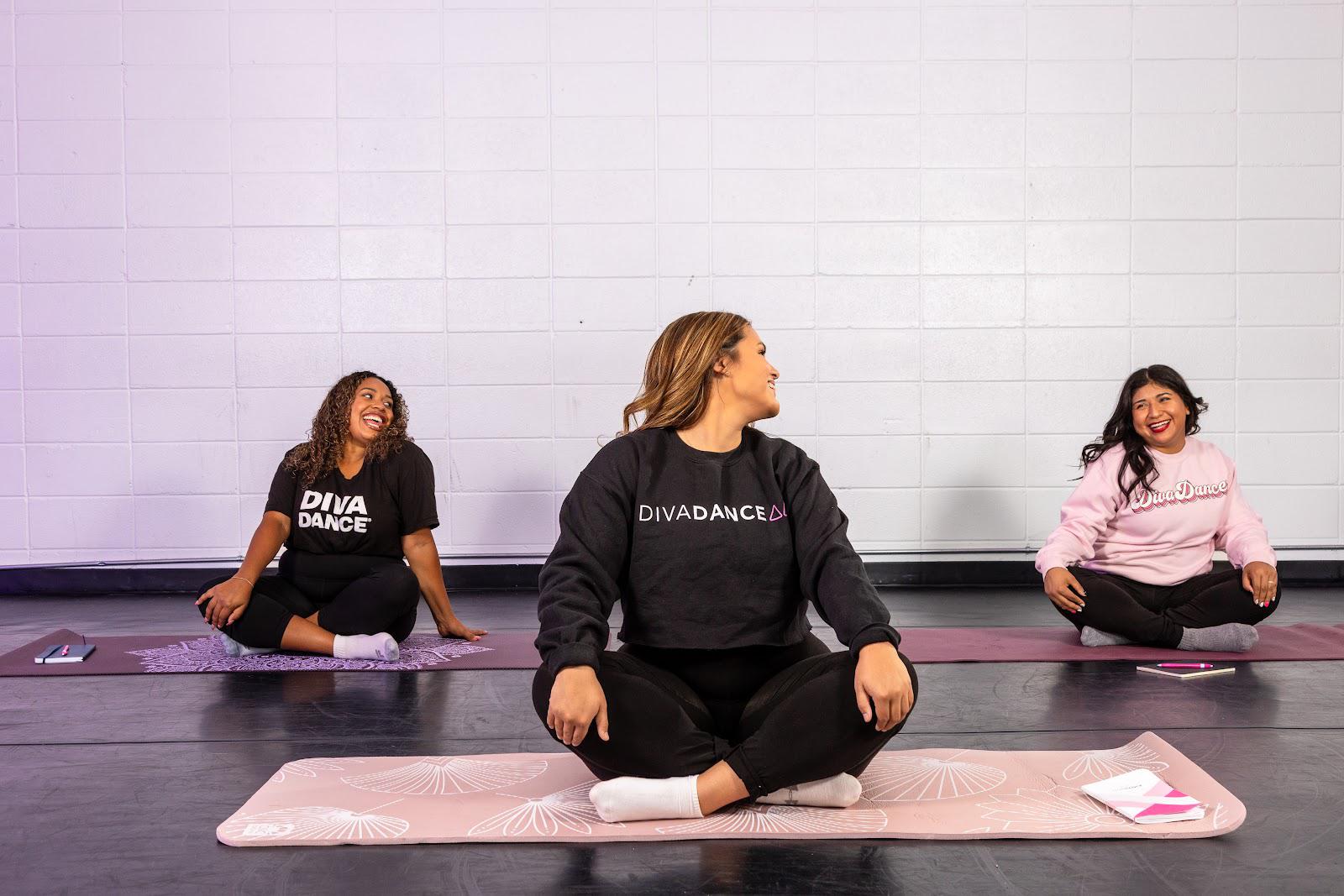
What is dance therapy used for?
Dance/movement therapists work with people facing depression, anxiety, trauma, grief, chronic illness, eating disorders, dementia and developmental conditions, among others. It's used with children, adults and older adults, one-on-one or in groups.
The evidence is encouraging. A 2019 meta-analysis in Frontiers in Psychology, led by Sabine Koch, pooled 41 controlled studies with 2,374 participants. It found that dance/movement therapy and dance reduced depression and anxiety and improved quality of life and interpersonal skills.
What the research shows
Across 41 controlled studies and 2,374 participants, dance movement therapy and dance decreased depression and anxiety and increased quality of life, interpersonal skills and cognitive skills (Koch et al., Frontiers in Psychology, 2019).
How does dance therapy work?
It works on a few levels at once. Movement is aerobic exercise, and Harvard Health notes that regular exercise can ease symptoms of depression. Movement also gives feelings a way out that doesn't depend on finding the right words, which can help people who find talk therapy hard to start.
Group sessions add a social layer. Moving in sync with other people tends to make them feel closer, a finding Oxford researchers documented in a 2016 study in Evolution and Human Behavior.
Is dance therapy covered by insurance?
Sometimes. Coverage depends on your plan, your diagnosis and how the therapist is licensed in your state. A therapist who also holds a counseling license may be able to bill as an in-network provider. Call your insurer and ask the therapist directly before your first session.
Is a dance class the same as dance therapy?
No. A dance class is a fitness and community experience. Dance therapy is a clinical treatment with a trained therapist, a plan and goals built around you.
Both can be good for your mental health in different ways. A weekly class gives you exercise, music and a room of familiar faces, and we wrote about that side in 8 reasons dance can be as good as therapy. If you're dealing with trauma, depression or anxiety that's getting in the way of daily life, a credentialed therapist is the right first call.
A class can be good for you without pretending to be treatment.
How to find a credentialed dance/movement therapist
Start with the ADTA's therapist directory on adta.org, which lists credentialed dance/movement therapists by location. Therapist directories like Psychology Today also let you filter for dance/movement therapy. Ask any therapist about their credentials, session format, fees and insurance.
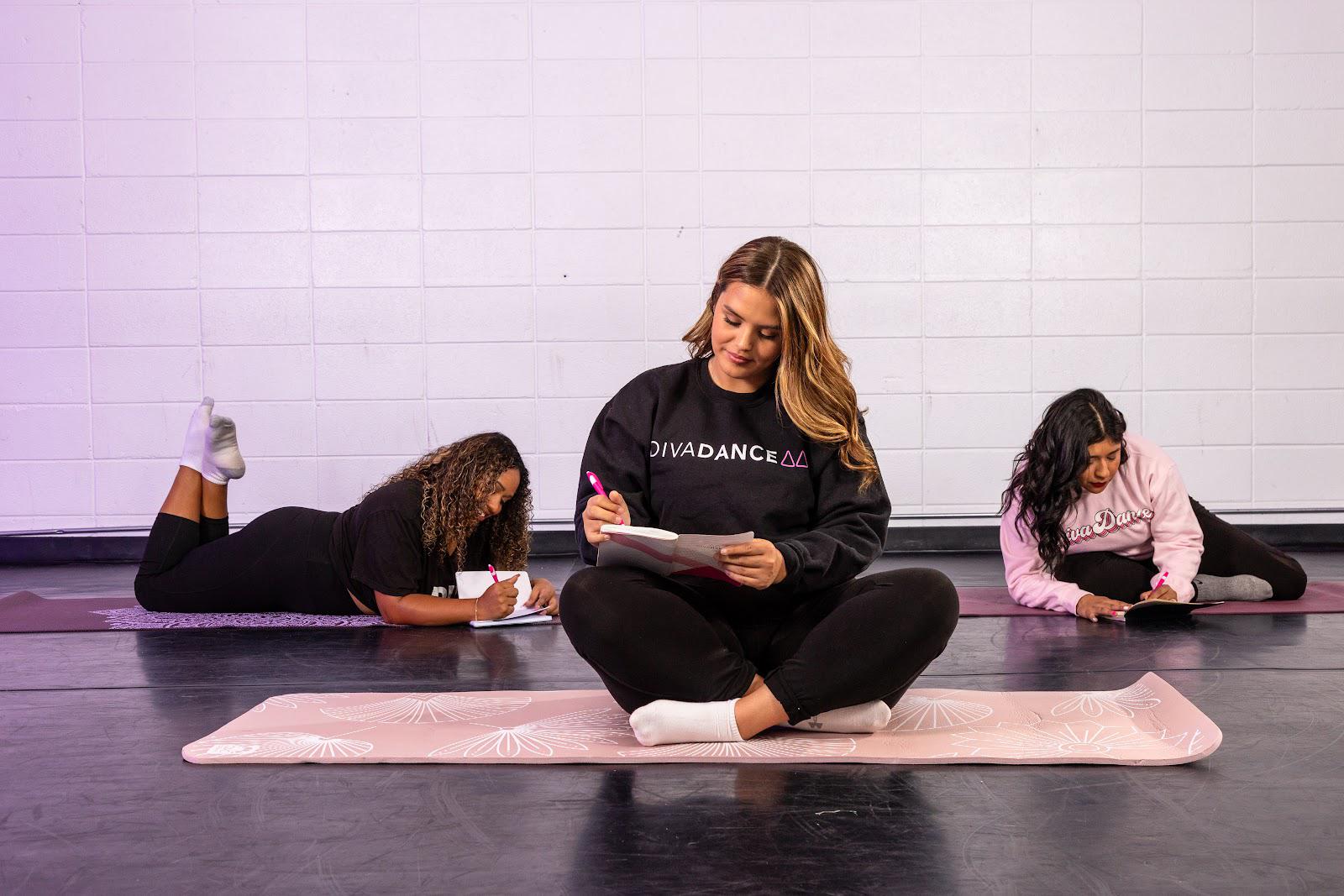
If what you're after is the mood boost of moving to music with other people, a dance class is a simple place to start. DivaDance® has 48 locations in 15 states, DC and Mexico, and its DanceRx class is a 75-minute self-care session with lyrical choreography, breathwork, journaling and meditation. It's a class, not therapy. Find a studio on the locations page.
If you're struggling right now, please reach out to a mental health professional. In the U.S., you can call or text 988 to reach the Suicide & Crisis Lifeline any time.
Frequently asked questions
What is dance therapy?
Dance therapy, or dance/movement therapy, is a form of psychotherapy that uses movement to support emotional, social, cognitive and physical well-being. It's led by credentialed dance/movement therapists (R-DMT or BC-DMT) who hold a master's degree.
What is dance therapy used for?
Dance/movement therapists work with people facing depression, anxiety, trauma, grief, chronic illness, eating disorders and dementia. A 2019 meta-analysis of 41 controlled studies found dance movement therapy and dance reduced depression and anxiety and improved quality of life.
Is dance therapy covered by insurance?
Sometimes. It depends on your plan, your diagnosis and how the therapist is licensed in your state. Therapists who also hold counseling licenses may bill insurance, so ask your insurer and the therapist before booking.
Is a dance class the same as dance therapy?
No. A dance class is fitness and community. Dance therapy is clinical treatment with a credentialed therapist and individual goals. Both can support mental health, but only a therapist provides therapy.
How do I find a dance/movement therapist?
Search the American Dance Therapy Association's directory at adta.org for credentialed dance/movement therapists by location, or filter therapist directories for dance/movement therapy. Ask about credentials, fees and insurance before your first session.
Data sources
- American Dance Therapy Association. adta.org.
- Koch, S. C., et al. (2019). "Effects of Dance Movement Therapy and Dance on Health-Related Psychological Outcomes: A Meta-Analysis Update." Frontiers in Psychology.
- Harvard Health Publishing. "Exercise is an all-natural treatment to fight depression."
- Tarr, B., Launay, J., & Dunbar, R. (2016). "Silent disco: dancing in synchrony leads to elevated pain thresholds and social closeness." Evolution and Human Behavior.