A body-positive fitness class is built around what your body can do and how movement feels. There are no weigh-ins, no before-and-after talk and no assumption that you came to shrink. You get movement options for every body, instructors who cue skills instead of appearance, and a room where nobody is sizing anyone up.
That sounds simple. Plenty of gyms put "all bodies welcome" on the wall and change nothing else. This guide covers what a judgment-free workout actually looks like, why dance gets there more easily than most formats, and how to tell whether a class lives up to it.
What is a body-positive fitness class?
It's a class where the culture backs up the marketing and every body belongs. Look for these signs before you sign up:
- No weigh-ins, body measurements or "transformation" challenges.
- Options for every move, offered to the whole room at once.
- Cues about skill and feeling ("hit the beat," "find your groove"). Diet talk has no place in class.
- A mix of ages, sizes and experience levels in the class photos and in the actual room.
- Instructors who learn your name and notice when you come back.
If the class talks more about calories than about the music, keep looking.
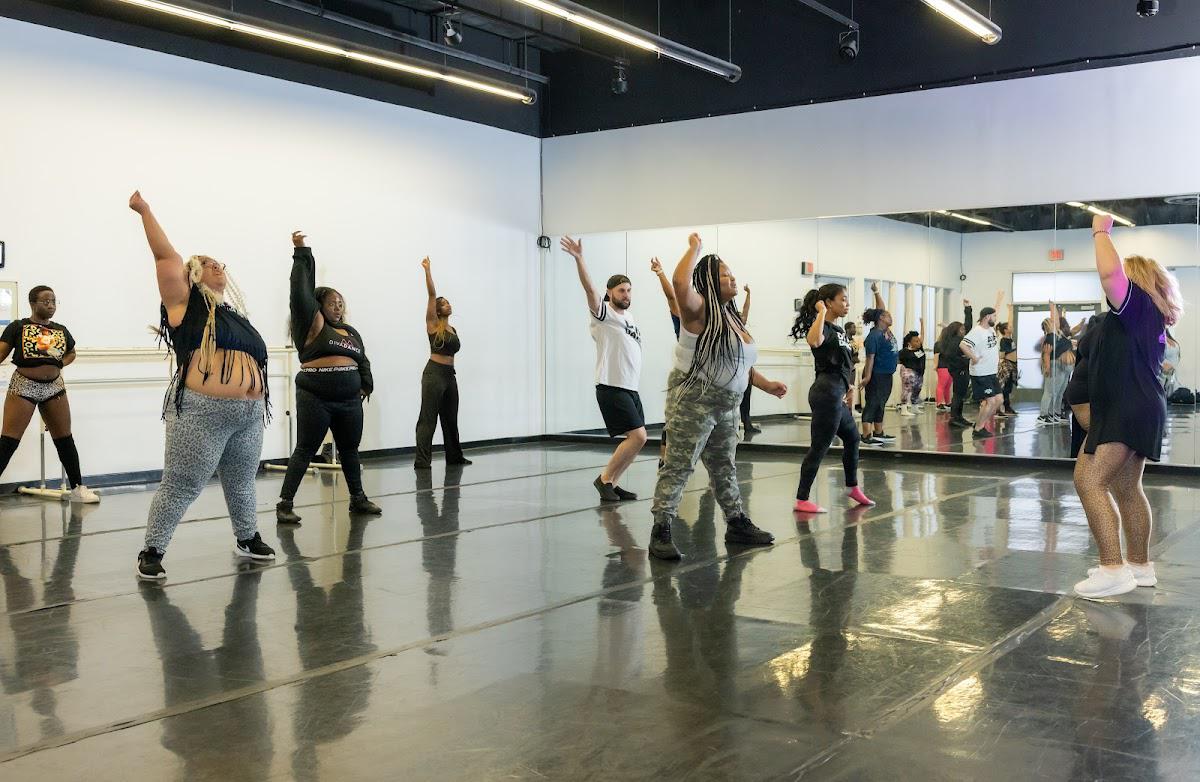
Why do so many adults feel judged at the gym?
Because a lot of gym culture treats the body as a project to fix. Mirrors line the walls, machines measure output, and the whole setup nudges you to compare. For anyone who isn't already an athlete, that adds up to a quiet message about who belongs.
That feeling matters more than it seems. A 2009 review in Annals of Behavioral Medicine by Ryan Rhodes and colleagues found that how much people enjoy a physical activity consistently predicts whether they keep doing it. So when a space feels judgmental, people often quit before the habit has a chance to form.
Is dance a good workout for all body types?
Yes. Dance is aerobic exercise, and the benefits don't depend on your size. A 2018 meta-analysis in Sports Medicine by Alycia Fong Yan and colleagues found that structured dance improved body composition, blood markers and musculoskeletal function about as well as other forms of physical activity.
Moderate dance also counts toward the 150 weekly minutes of moderate aerobic activity recommended in the Physical Activity Guidelines for Americans. Three hour-long classes a week covers it.
If you have a health condition or a recent injury, check with your doctor first, then tell your instructor what you're working around.
What makes a body-positive dance class judgment-free?
Choreography gives everyone the same problem to solve. Your brain is busy figuring out whether the shoulder roll lands on three or four, so there's no bandwidth left for scanning the room. People stop watching bodies and start watching the beat.
Everybody also messes up. Usually at the same moment. When the whole room turns the wrong way together and laughs about it, the pressure drains out fast.
Nobody's body is wrong for learning a routine. The skills are rhythm, timing and a willingness to try the turn again.
Who is actually in the room at DivaDance?
Mostly people who'd never call themselves dancers. In surveys of more than 10,000 new DivaDance members, nearly half of those who answered had never taken a formal dance class, and fewer than 1 in 20 described themselves as trained dancers. Another 1 in 3 danced years ago and stopped.
So if you're worried you'll be the only beginner, the numbers say you'll have plenty of company. DivaDance is a dance class first, and the fitness comes with it.
What does a body-positive dance class look like?
You'll warm up, learn a routine a few counts at a time, then run it with the music until it clicks. Nobody tests your fitness before you start, and nobody expects you to nail it on the first try.
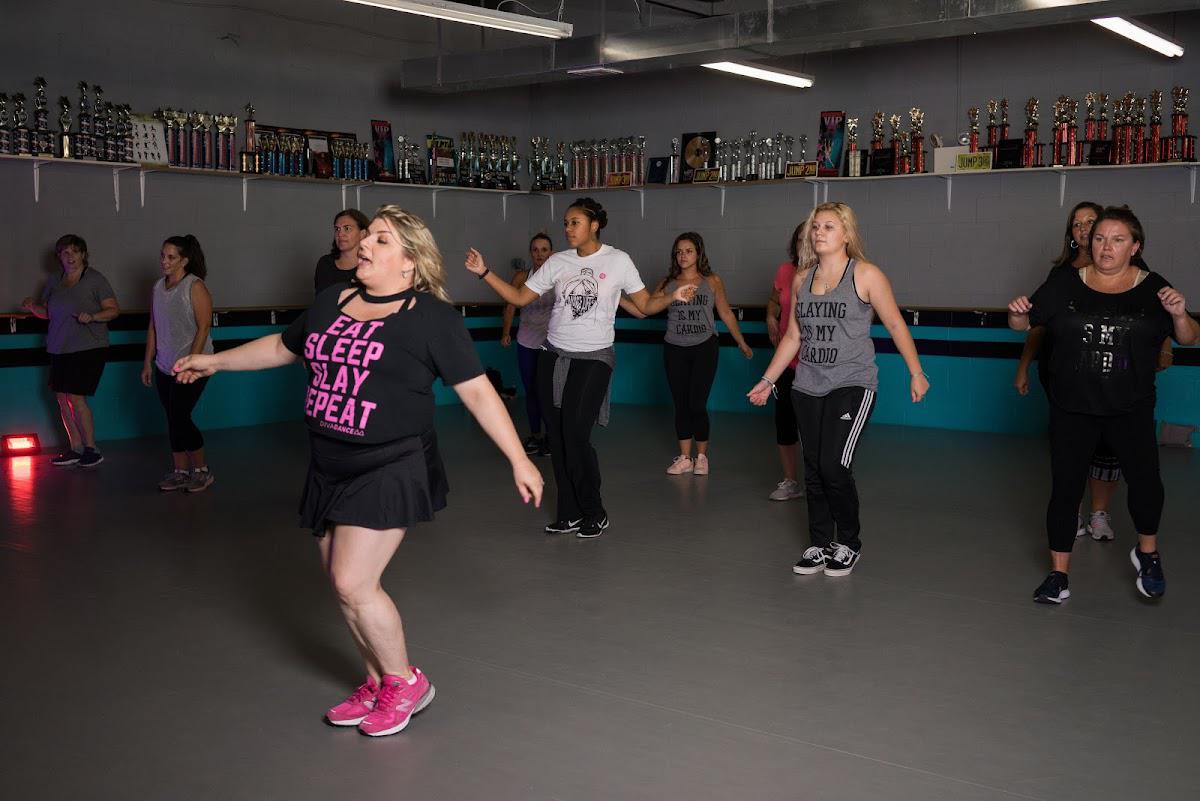
Wear clothes you can move in and comfortable sneakers; our what to wear guide has the details. The what to expect page walks through a first visit step by step, and the classes page explains each format, including DanceRx, a 75-minute self-care class that pairs lyrical choreography with breathwork, journaling and meditation.
How to try body-positive fitness
Start with a class you'd look forward to even on a rough week. Enjoyment predicts whether you'll keep going, per the Rhodes review above, and every benefit depends on going back.
DivaDance® has 48 locations in 15 states, DC and Mexico. Each studio has its own page with its schedule, so start on the locations page.
Frequently asked questions
What is body-positive fitness?
Body-positive fitness is exercise focused on what your body can do and how movement feels, not on weight loss or appearance. Body-positive classes skip weigh-ins and transformation talk, offer options for every move and welcome every size, age and experience level.
Is dance fitness good for all body types?
Yes. Dance is aerobic exercise that benefits every body. A 2018 meta-analysis in Sports Medicine found structured dance improved body composition and musculoskeletal function about as well as other physical activity, and moderate dance counts toward the recommended 150 minutes a week.
Does body-positive fitness mean you can't have goals?
No. You can still work toward more strength, stamina, flexibility or a better mood. Body-positive fitness just means your goals and your progress aren't measured by how your body looks.
Do you need dance experience to try a body-positive dance class?
No. In surveys of more than 10,000 new DivaDance members, nearly half of those who answered had never taken a formal dance class. Routines are taught a few counts at a time.
What should I look for in a body-positive fitness class?
Look for no weigh-ins or transformation challenges, movement options offered to the whole room, cues about skill and feeling rather than calories, and a real mix of ages and sizes in the room.
Data sources
- Rhodes, R. E., Fiala, B., & Conner, M. (2009). "A review and meta-analysis of affective judgments and physical activity in adult populations." Annals of Behavioral Medicine.
- Fong Yan, A., et al. (2018). "The Effectiveness of Dance Interventions on Physical Health Outcomes Compared to Other Forms of Physical Activity." Sports Medicine.
- U.S. Department of Health and Human Services (2018). Physical Activity Guidelines for Americans, 2nd edition.
- DivaDance new member survey, more than 10,000 responses (April 2026).